
Parexel 360° Virtual Tour
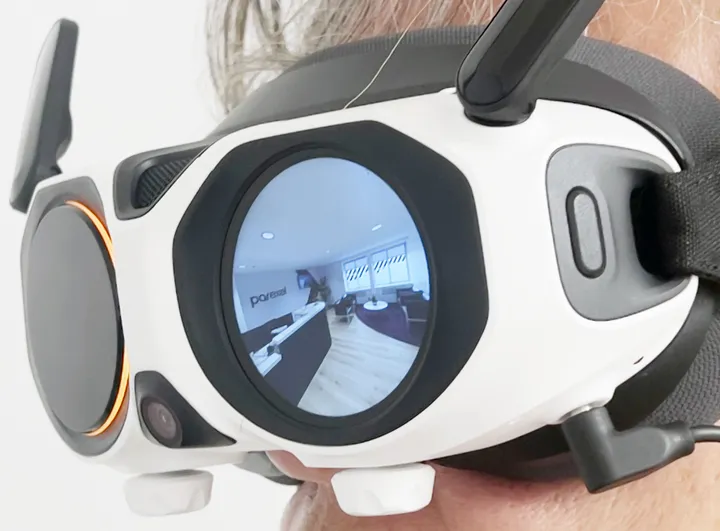
One production, two waysInvestors and sponsors rarely walk a Phase I unit. Interface brought Parexel's Baltimore facility to them: a 360° film, via screen or a headset, that puts a prospect inside the unit from anywhere in the world.
A 4-minute narrated 360° tour of Parexel's Baltimore early phase clinical unit, produced by Interface from storyboard to post-production, built to give sponsors and investors an inside look at a facility few of them will visit in person. The short film plays in any browser, or in a Cardboard-style headset.
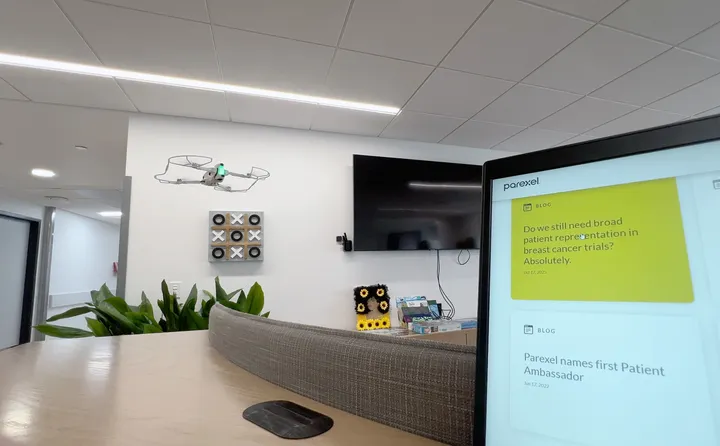
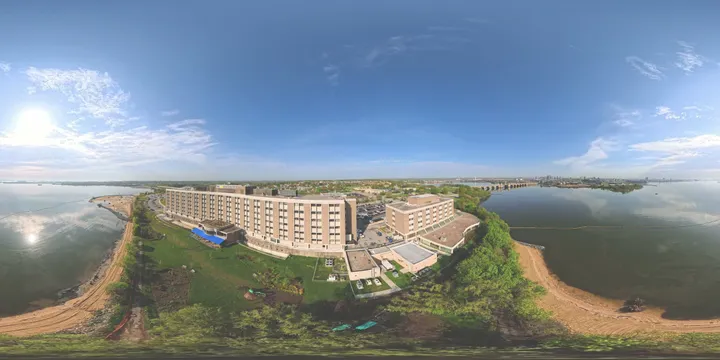
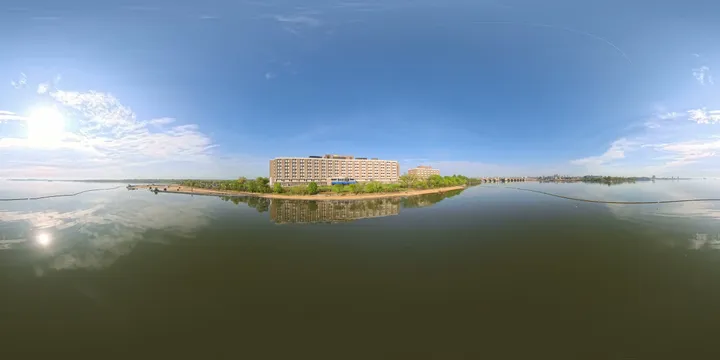
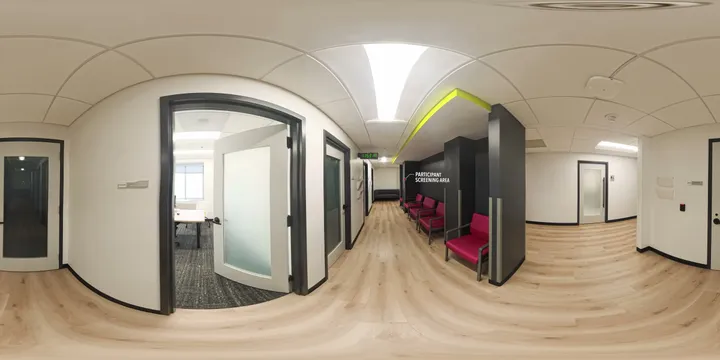
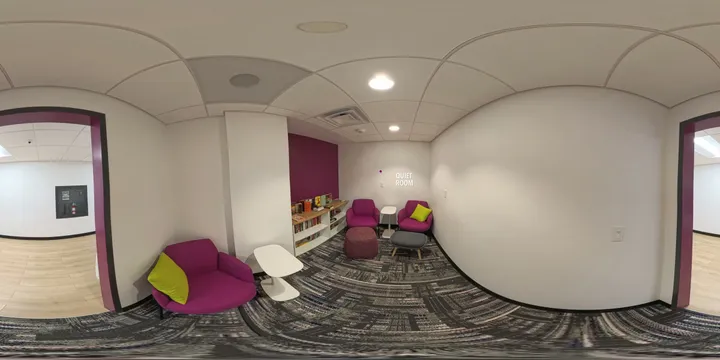
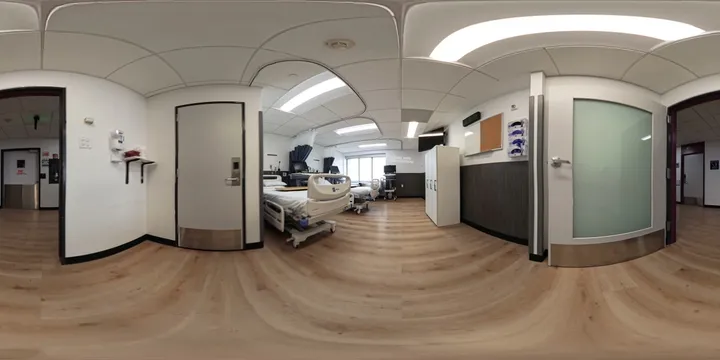
Parexel runs four hospital-based early phase clinical units, in Baltimore, Los Angeles, London, and Berlin. For the Baltimore unit, a waterfront facility built around the people who take part in its studies, Interface produced a narrated film in panoramic 360° format, directing the onsite drone capture, editing, and post-production in 8K. The film begins with an aerial approach to the hospital over the Patapsco River then walks the viewer into the screening area, a quiet room, on-site laboratories and flexible wards. Parexel wanted it seen two ways: on parexel.com, where a sponsor tour the facility from their desktop and inside a headset for anyone they meet at a trade show.
The headset was the hard part. Apple's Safari browser has no built-in way to view virtual reality content. YouTube dropped its own VR mode in 2024. Google stopped developing the Cardboard software that made this kind of thing possible back in 2023. No service existed that Interface could point Parexel toward.
So Interface built the viewer itself. A prospect who opens the mailed link gets a split-screen view shaped to correct for the lens distortion in a cardboard headset, calibrated per phone since screens differ in size and shape. No app to download. No account to create. The link opens straight into the experience.
The same film plays as a standard on-screen tour. By filming the facility with a panoramic drone, the short film is transformed into an immersive experience effective for self-directed viewing or for a sales team walking a prospect through a guided tour. Open the film on a desktop and drag your cursor to look left or right. Open it on a phone and swipe. The phone's motion sensors come into play only inside the headset, where turning your head also rotates the view. Both versions were tested across Safari, Chrome, Edge, and Firefox on real phones, not simulators, until the picture held up the same way on all of them. Parexel published the tour on its own site in July 2026, embedded straight from Interface's viewer.
Interactive Screens
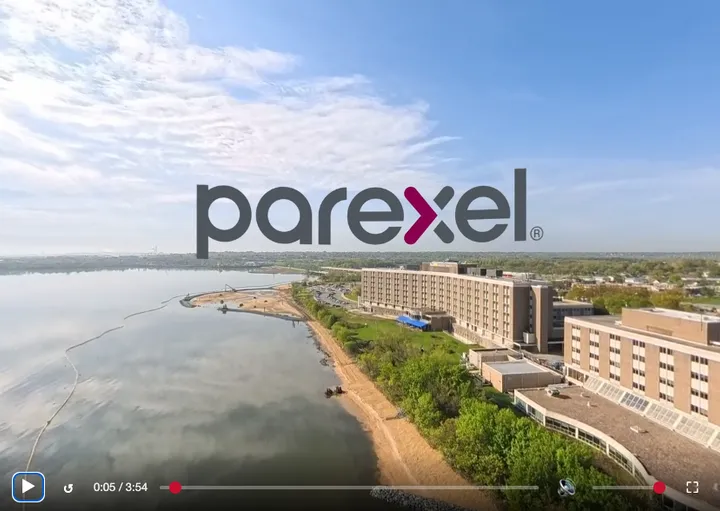
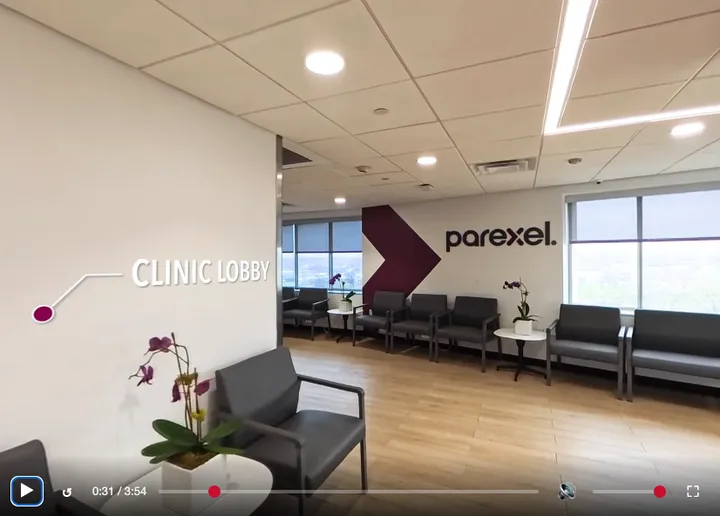
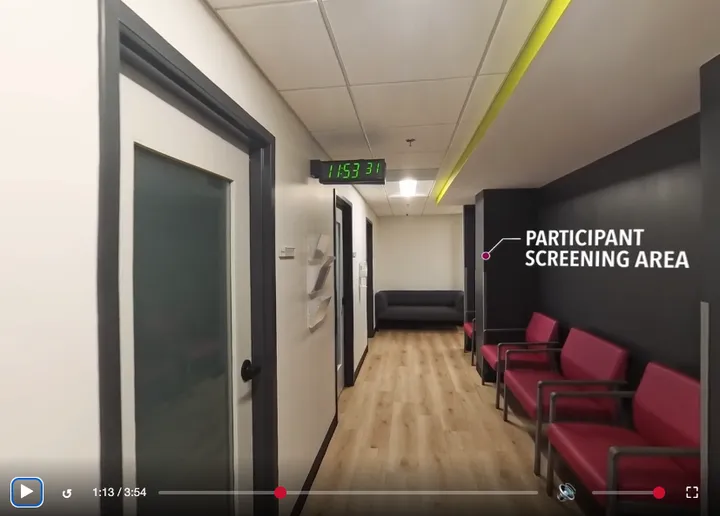
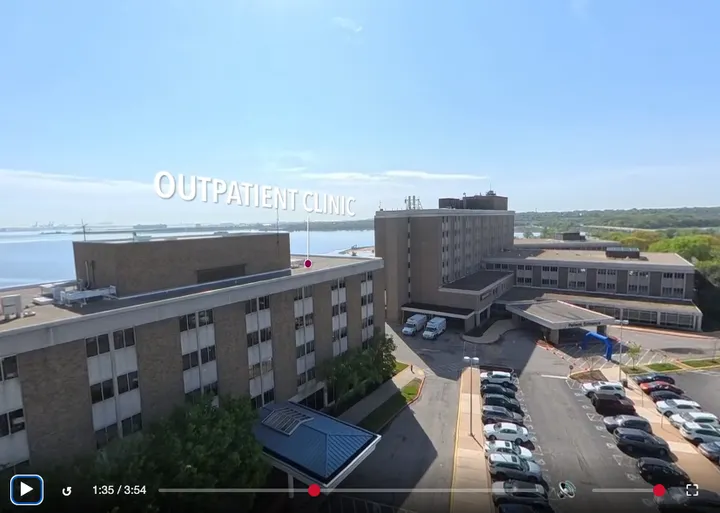
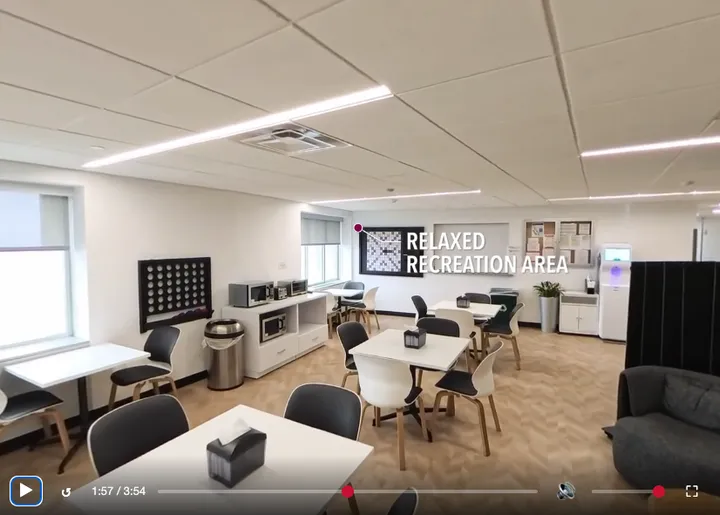
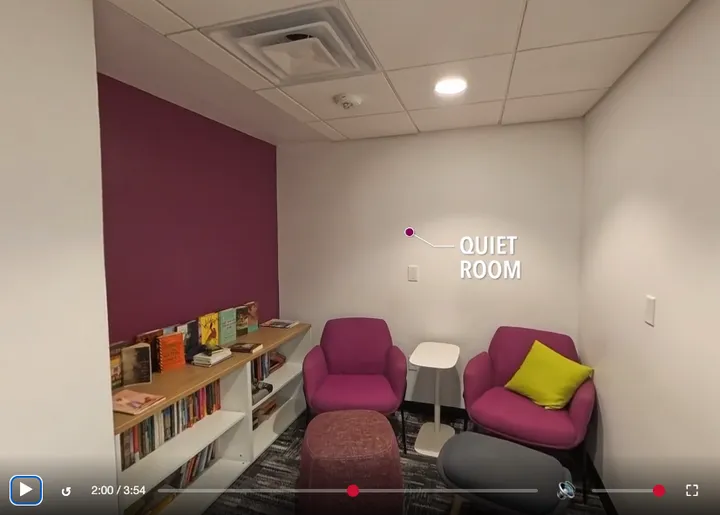
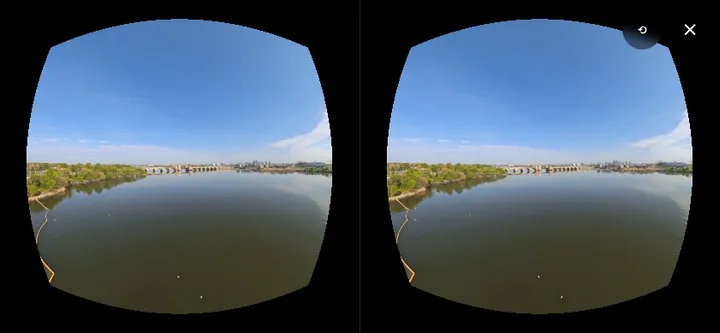
One link serves both experiences. Open it on a desktop or a phone for a standard drag-to-look tour, or open it inside the mailed headset for a split-screen view built specifically for that device. The headset mode corrects for the lens distortion in a cardboard-style viewer and adjusts its spacing and height for the phone in front of it, since no two phones sit in a headset quite the same way. Interface tested the build across Safari, Chrome, Edge, and Firefox on real phones before calling it finished. Nothing to install and no login. The same link now runs inside parexel.com.
Renderings
More Projects