
Real-Time Virtual Reality
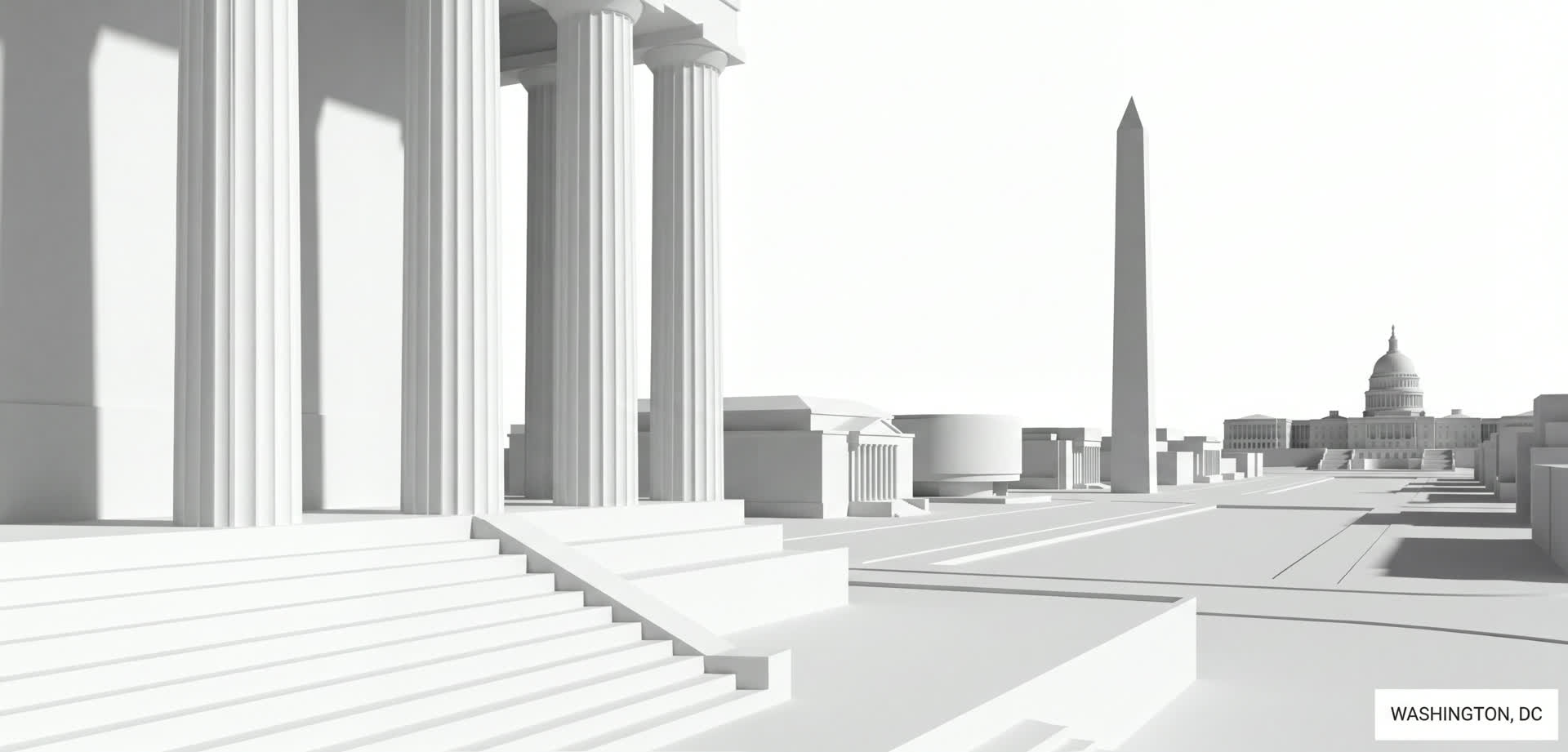
Cinematic gaming engines—Unity and Unreal—rebuilt as architectural design tools. Real-time navigation, real-time material changes, headset-ready immersion before a single trade mobilizes.
Using cinematic gaming software, Interface builds real-time 3D environments where the user defines pace and direction. Lighting, configuration, and materials change on demand. The technology was built for games; we use it to give clients a way to experience and understand a building or space long before construction begins.
An in-house engine, in the browser
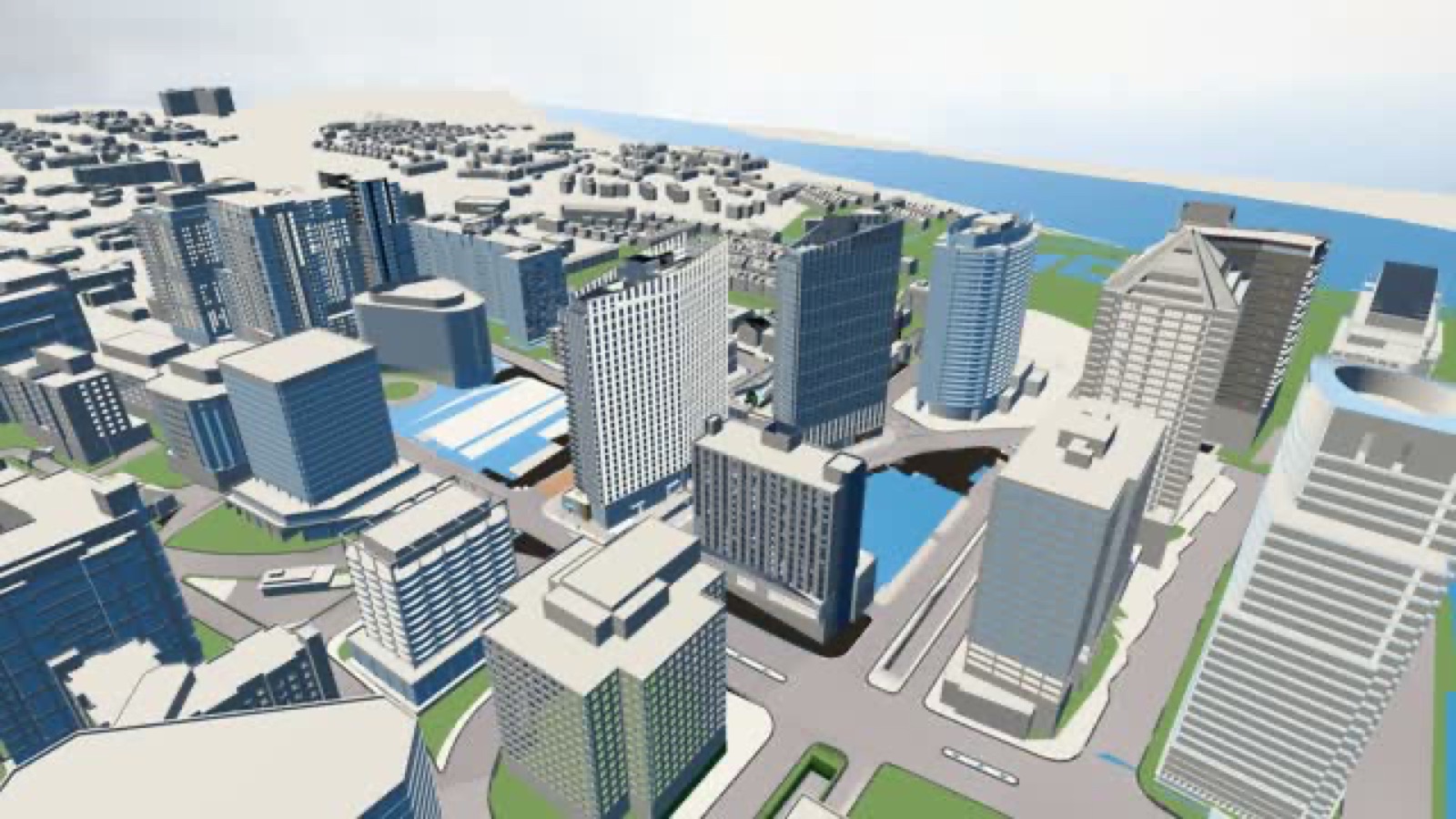
Interface builds and maintains its own real-time engine, running natively in the browser on WebGPU and three.js. For 1401 Wilson Boulevard in Rosslyn, that meant twin towers inside a ten-building context model, with a guided camera tour, live day-to-dusk lighting, and materials calibrated against the project's finished V-Ray marketing renders. No plugin, no install: a link opens the building. Live demos are available on request.
Interactive presentations
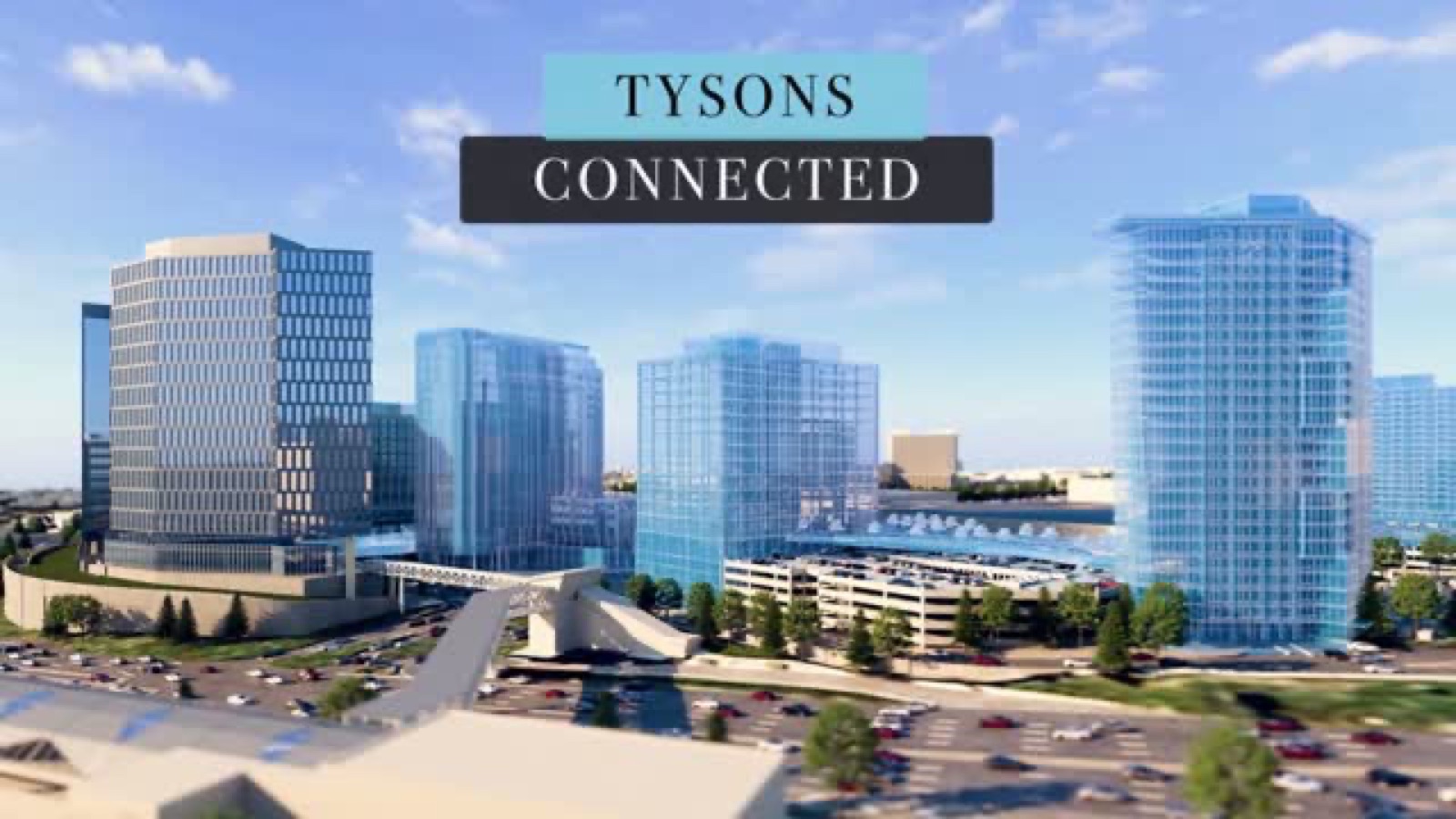
Phasing options, lighting variants, and material swaps surfaced as buttons inside the experience. Stakeholders compare scenarios in real time during a meeting rather than chasing email follow-ups. The same builds also deploy as in-office kiosks: for Tysons Corner Center, a Unity interactive tour of one of the country's largest shopping centers runs as a leasing and marketing station, gaming technology rebuilt as a sales tool.
VR walk-throughs
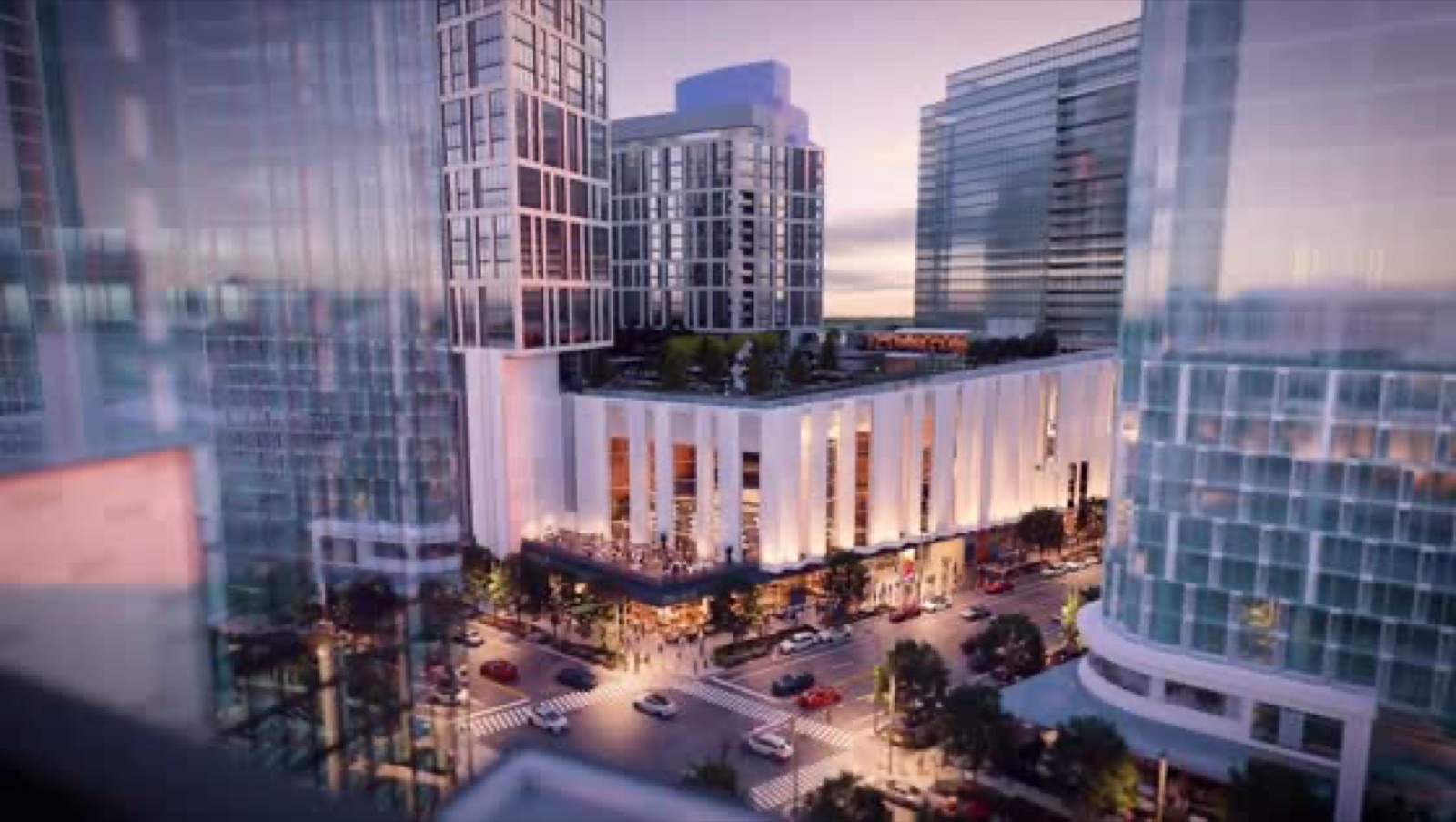
Headset-driven (Oculus, Meta Quest) immersive walk-throughs for scale and spatial understanding. The user physically moves through the design at human scale.
Beyond marketing: change management
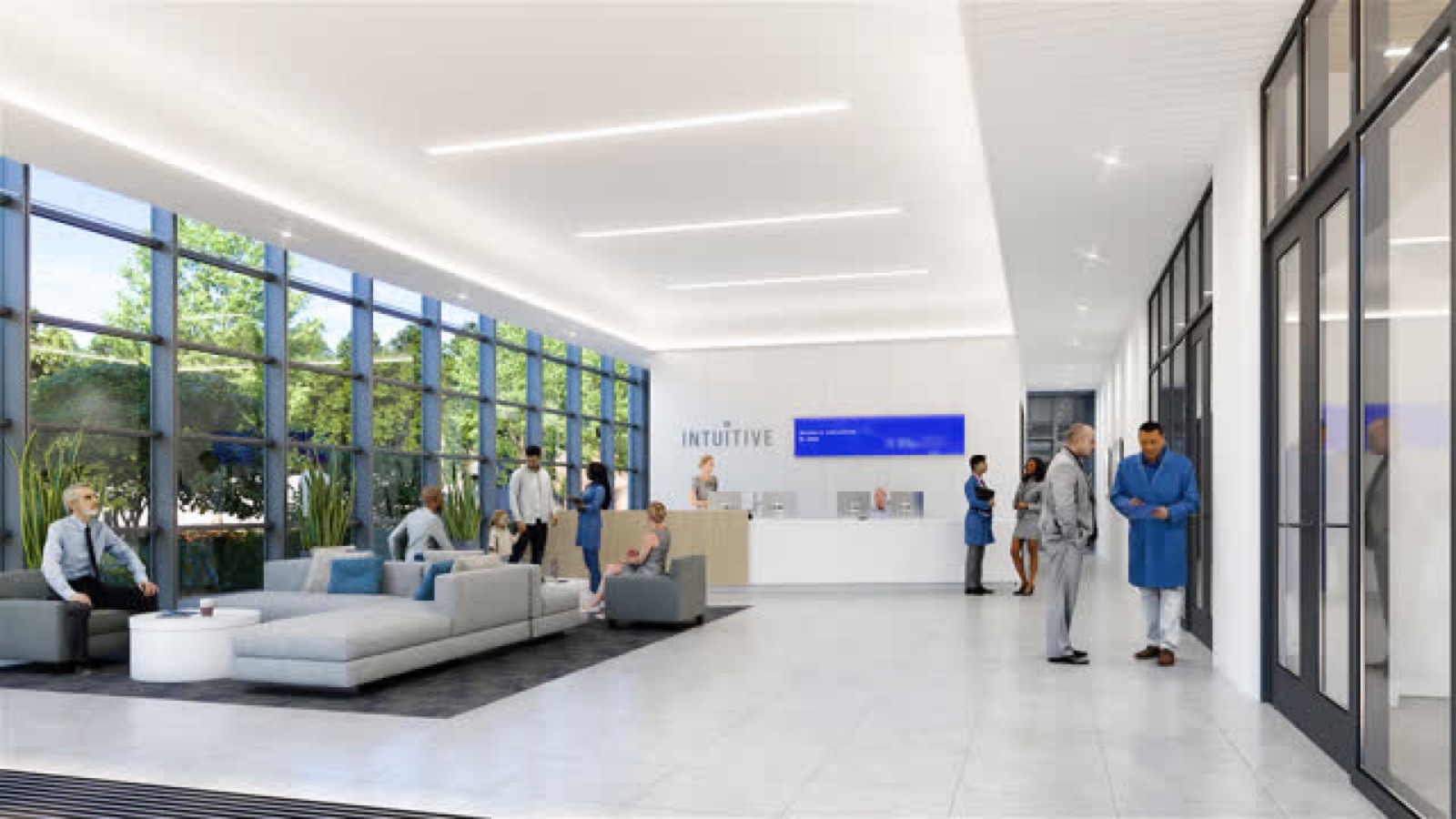
The same immersive toolset serves work that never touches a leasing office. For Intuitive, the surgical-robotics leader, Interface produced 360° VR tours, animation, and visualization used for workplace change management: helping teams understand a changing environment before it changed around them.
Engine choices
Unreal for high-fidelity architectural lighting and large-scale exterior environments. Unity for lighter web/mobile deployments and rapid prototyping. We pick per project; the deliverable does not change.
Approval committees, investors, and tenants see decisions clearly when they can move through them. A 4-minute headset session resolves questions that take a 30-page rendering deck and three meetings to answer in the traditional process.
Hire us for this: VR experiences and 360 tours
Selected work
Capital One Hall VR
A Virtual 360º Grand Opening
Tysons Interactive
Building for the Future
1000 Wilson Boulevard
Visualizing Amenities with VR
Ballston Quarter
Virtual reality to aid leasing effort.Where it earns its keep
- +Pre-construction client review
- +Investor and capital pitch
- +Community approval and planning meetings
- +Pre-leasing and tenant marketing
- +Internal design coordination
- +Workplace change management
About Real-Time Virtual Reality
What hardware do clients need to view a real-time VR experience?
expand_more
How long does a real-time VR build take?
expand_more
Can the experience be branded or customized per client?
expand_more
Do you also produce static architectural renderings, not just real-time/VR builds?
expand_more
Other Innovation Lab subjects
 Innovation Labarrow_forward
4D Construction
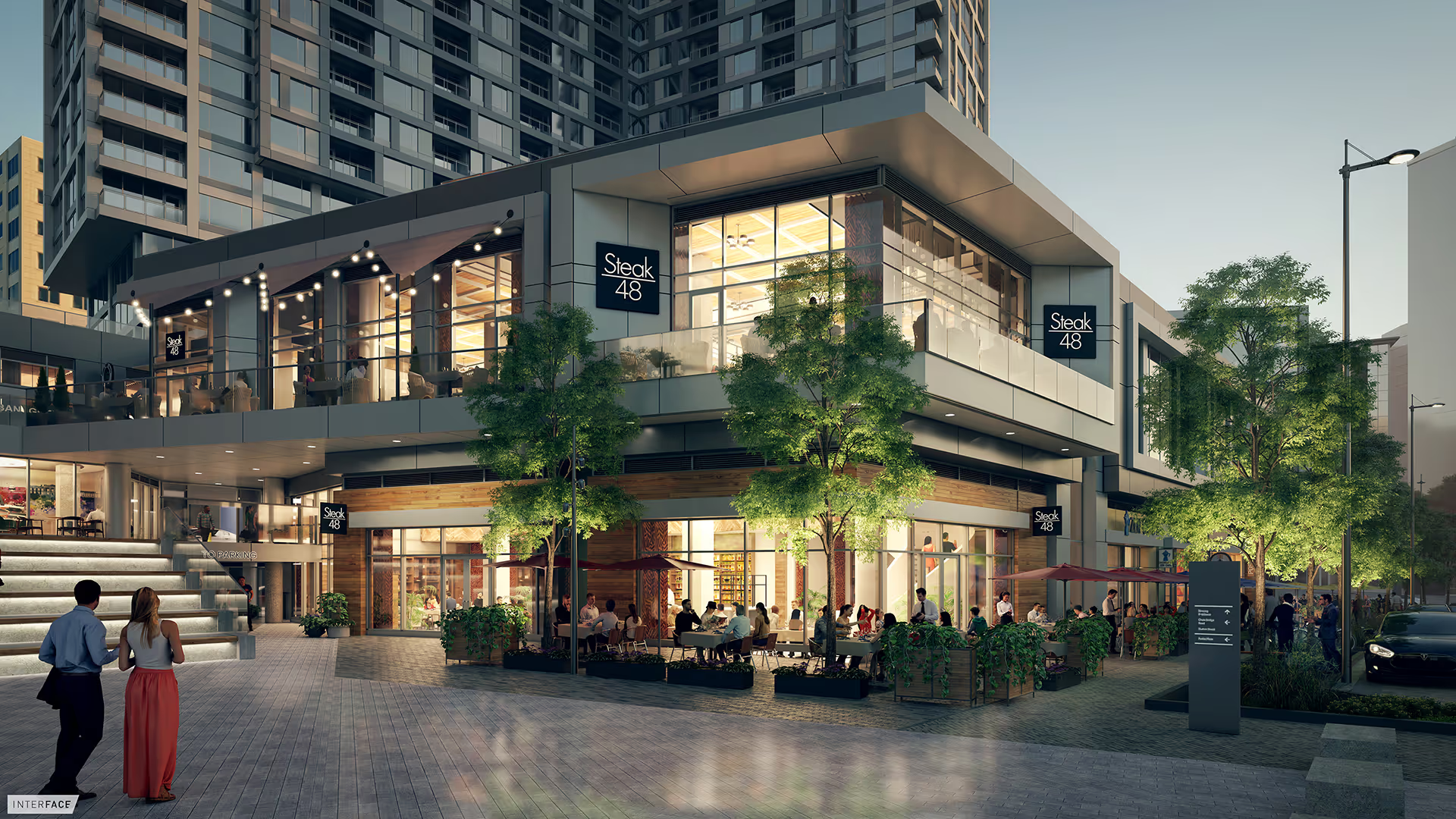
A construction schedule rendered in the fourth dimension—time. Bar-chart efficiencies and conflicts surface as a 3D animation before crews mobilize.
 Innovation Labarrow_forward
360° Video & Immersive VR
Complete immersive experiences, built entirely in-house—from 8K aerial capture to a custom streaming platform. We fly, shoot, design, and engineer the whole pipeline, so nothing is handed off to a stock viewer.
 Innovation Labarrow_forward
Intelligent Digital Asset Management
A digital asset platform that reads, watches, and listens to everything in the library—so thirty years of produced work is one search away. Built entirely in-house, with every AI model running on our own hardware.
 Innovation Labarrow_forward
ConsentLine
A consent management platform engineered by Interface that blocks GTM and analytics scripts from entering the document until a visitor grants permission. Zero requests to Google before consent—verified with network captures on every deployed site.