

Why Accessibility Compliance Matters for Your Website's Performance
The World Health Organization estimates that roughly 1.3 billion people, about one in six of us, live with a significant disability. For a meaningful share of them, an inaccessible website is a locked door. Accessibility work opens that door, and it happens to improve the site for everyone else at the same time.
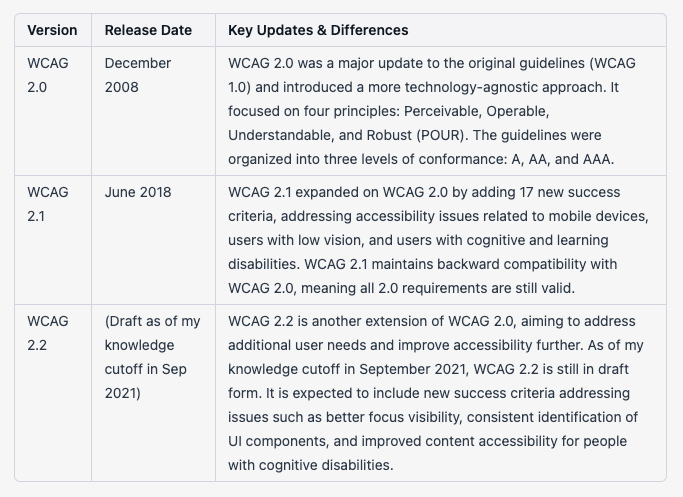
The standard that defines "accessible" is WCAG, the Web Content Accessibility Guidelines, published in versions 2.0, 2.1, and 2.2. WCAG offers three levels of conformance:
- Level A: the basic floor. Sites that miss Level A are effectively inaccessible to many users with disabilities.
- Level AA: the practical target for most websites, and the level many countries and organizations reference as their compliance standard. Meeting AA means a site is reasonably usable across a wide range of disabilities.
- Level AAA: the most stringent tier. Full AAA isn't practical for every site, though specific pages or components can aim for it when their audience needs it.
A typical business site should aim for Level AA, and any site operating in a regulated region or industry should check whether a particular level is mandated for it.
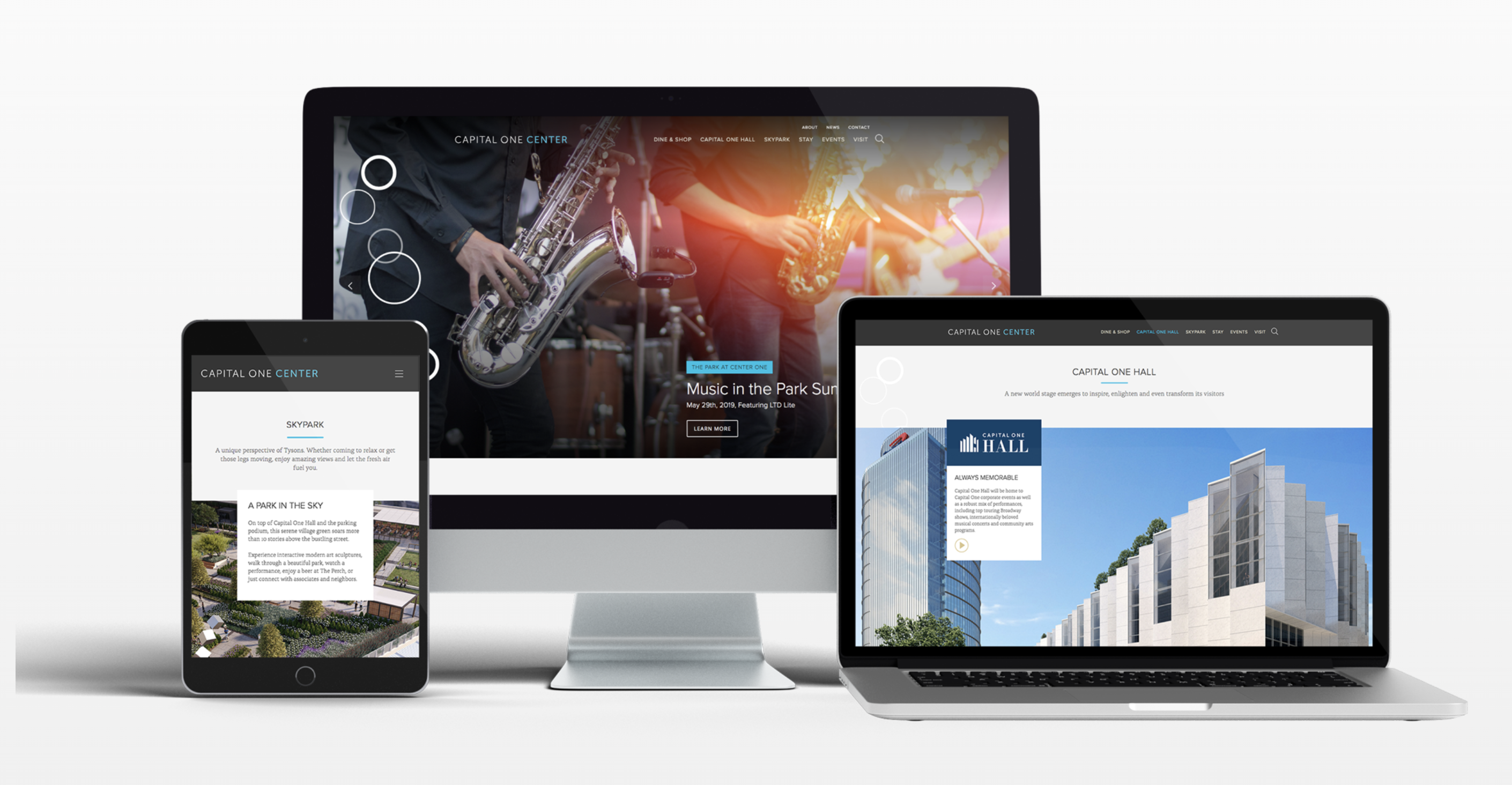
Interface worked with Capital One Workplace Solutions to create a new corporate brand identity, branding materials, and visualization tools for the headquarters in Tysons, VA as well as a website that effectively intertwined all of these new tools. Accessibility compliance was a core requirement of that build, and it remains central to the site's performance, user experience, and professionalism.
1. It Boosts Your SEO
The overlap between accessibility work and search optimization is not a coincidence. Alt text on images, semantic heading structure, descriptive link text, captions on video: each one serves a screen-reader user and a search crawler with the same edit. Sites built to WCAG standards tend to be sites Google can parse cleanly, and rankings follow parseability.
2. It Improves the Experience for Everyone
Accessibility fixes are usability fixes wearing a different label. Higher color contrast helps a user with low vision and a user reading a phone in sunlight. Keyboard navigation serves someone who can't use a mouse and someone whose mouse just died. Clear structure helps everybody find things faster, and sites people can actually use are the ones they return to and share.
3. It Widens Your Audience
A site that blind and low-vision users can navigate is a site those users, and their families, and their employers, can buy from. Turning away one in six potential visitors is a strange growth strategy for any business.
4 & 5. It Reduces Legal Exposure
In the United States, web accessibility complaints are typically brought under the Americans with Disabilities Act, and the settlements and rulings in this area most often point to WCAG Level AA as the benchmark. An inaccessible site is both a discrimination issue and a litigation risk, and remediation under legal pressure costs more than building accessibly in the first place. If your organization does federal work, Section 508 makes accessibility an explicit contractual requirement rather than an implied one.
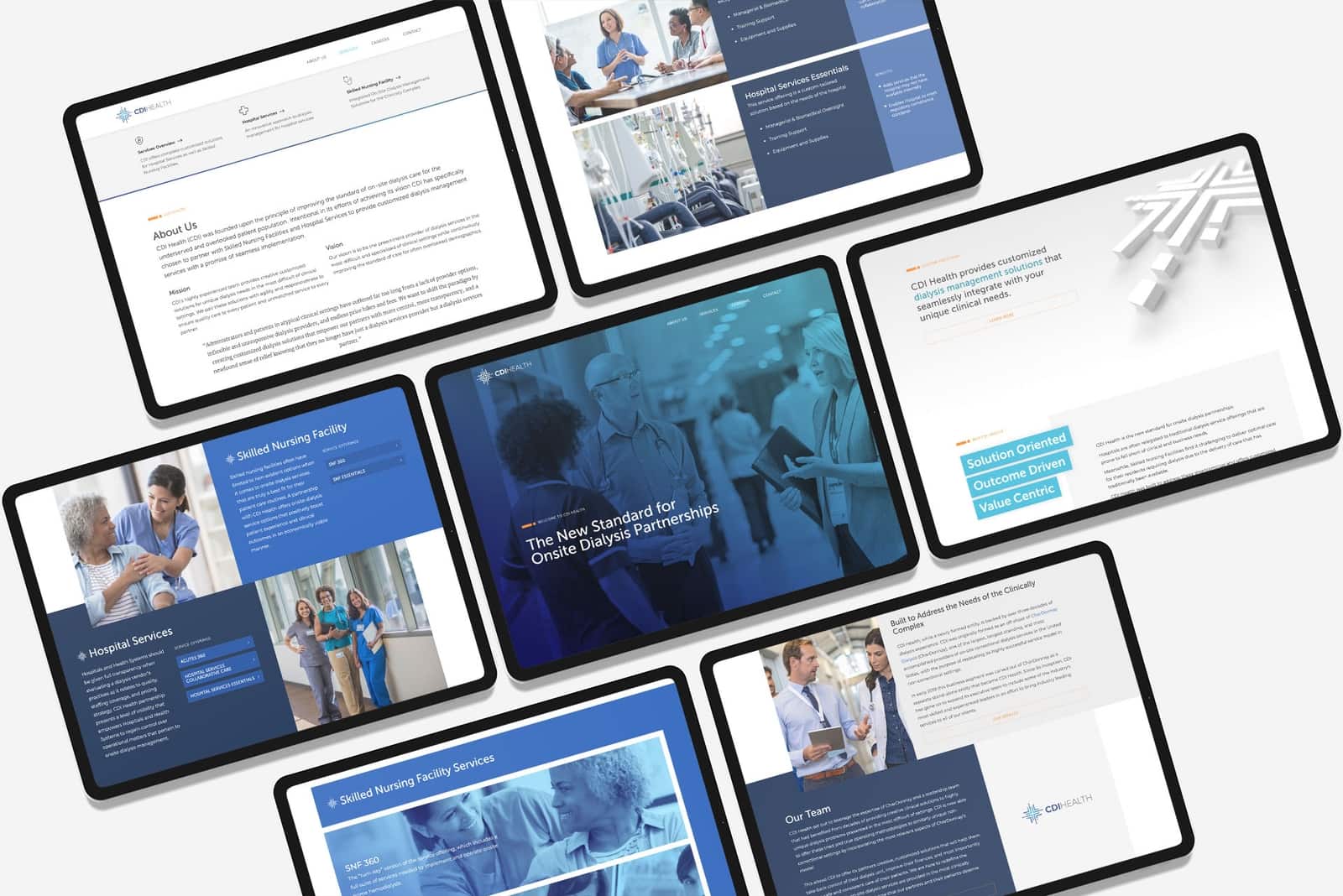
Interface helped create a new and improved website experience for CDI Health, making the site more accessible for patients, clients, and vendors. In healthcare, professionalism and accessibility carry extra weight, and we worked to improve the site's interface and accessibility while preserving the company's brand identity.
Accessibility is one of the few website investments that keeps paying after the invoice. Learn more about how Interface can help your website meet the criteria that matter.