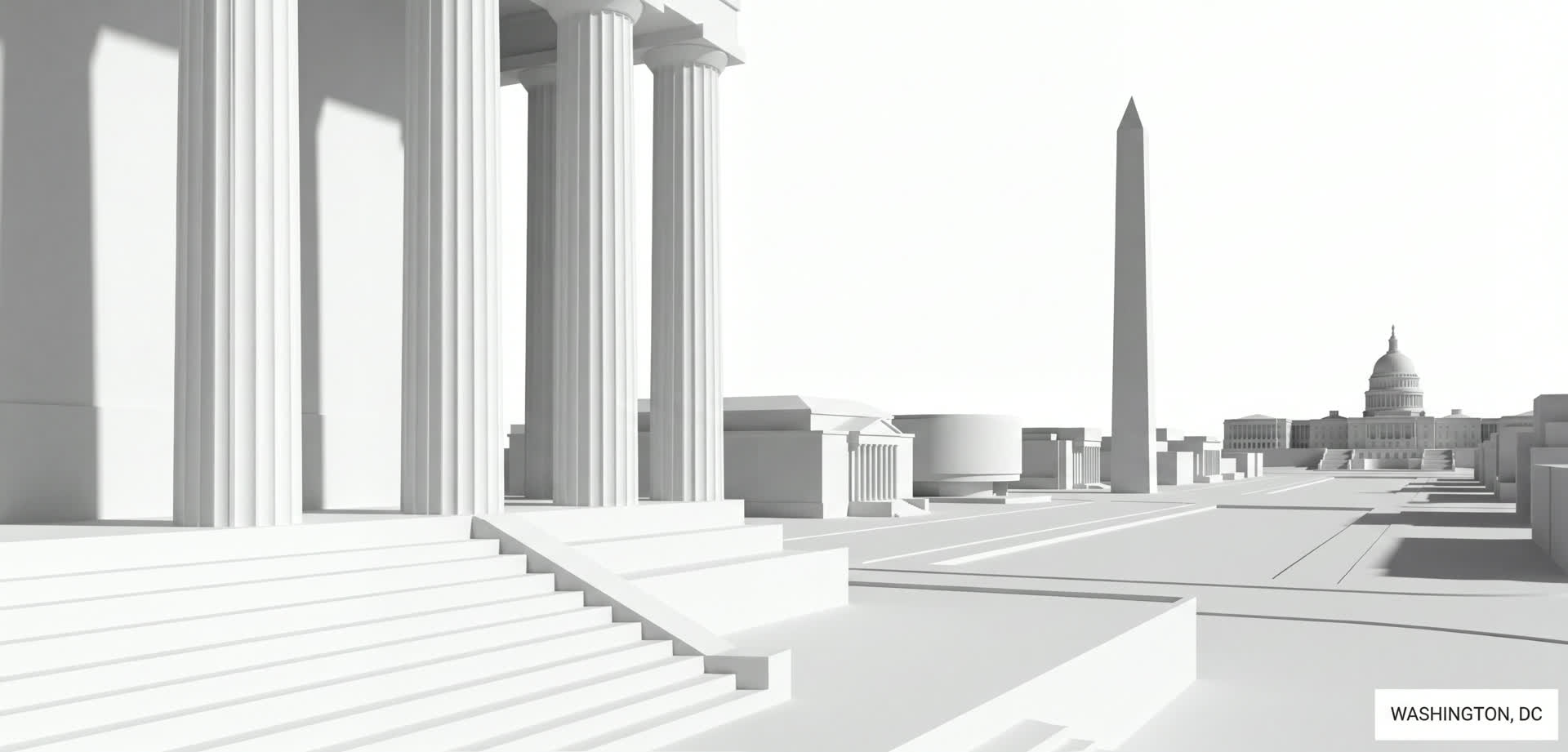



Visualization & Media
Renderings, film, photography, and immersive media designed to make complex projects legible to the people who fund and approve them.
Capital One Hall VR
While Capital One Hall was still under construction, Interface helped ASM Global reach their target audience with virtual tours of new facility.
Read the case study arrow_forward A rendering does one job: it decides whether a project gets approved. Investment committees, planning boards, community meetings, sales centers. We make images that do that work without overpromising. The light is correct. The materials are the materials. The neighborhood looks like the neighborhood.
"A rendering decides whether a project gets approved. Make it correct, not just beautiful."
We work in 3D, photography, film, and real-time VR. The medium follows the audience. A 90-second narrative film for a board, a lit-on-Tuesday-at-7pm rendering for a community meeting, a real-time walkthrough for an investor pitch. Same project, three artifacts, none of them generic.
Our services
-
.avif) Visualization High-end architectural and experiential renderings communicating design intent, atmosphere, and project narratives before construction begins. arrow_forward
Visualization High-end architectural and experiential renderings communicating design intent, atmosphere, and project narratives before construction begins. arrow_forward -
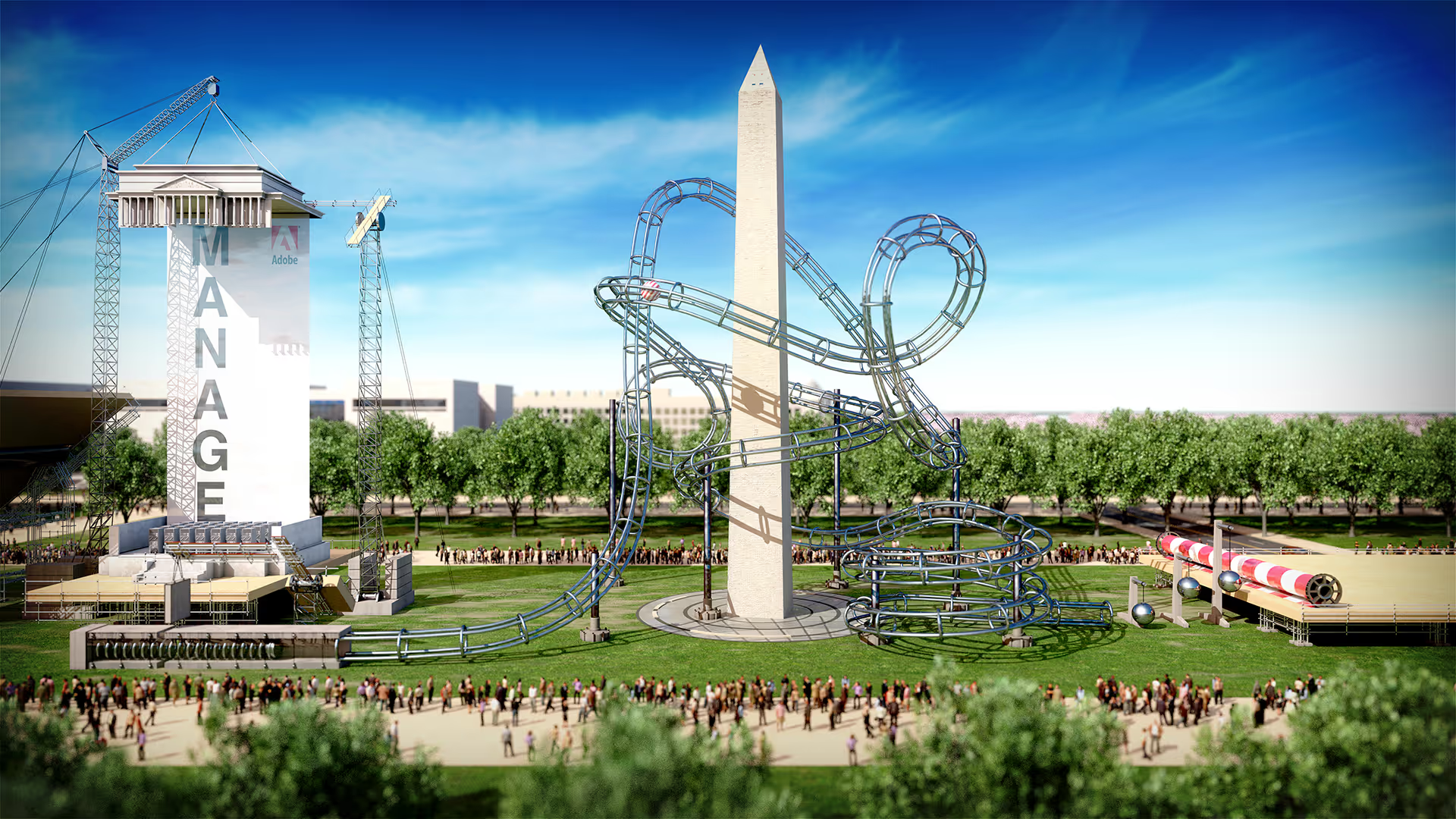 Animation Motion-driven visual narratives including fly throughs and cinematic sequences enhancing the brand experience. arrow_forward
 -
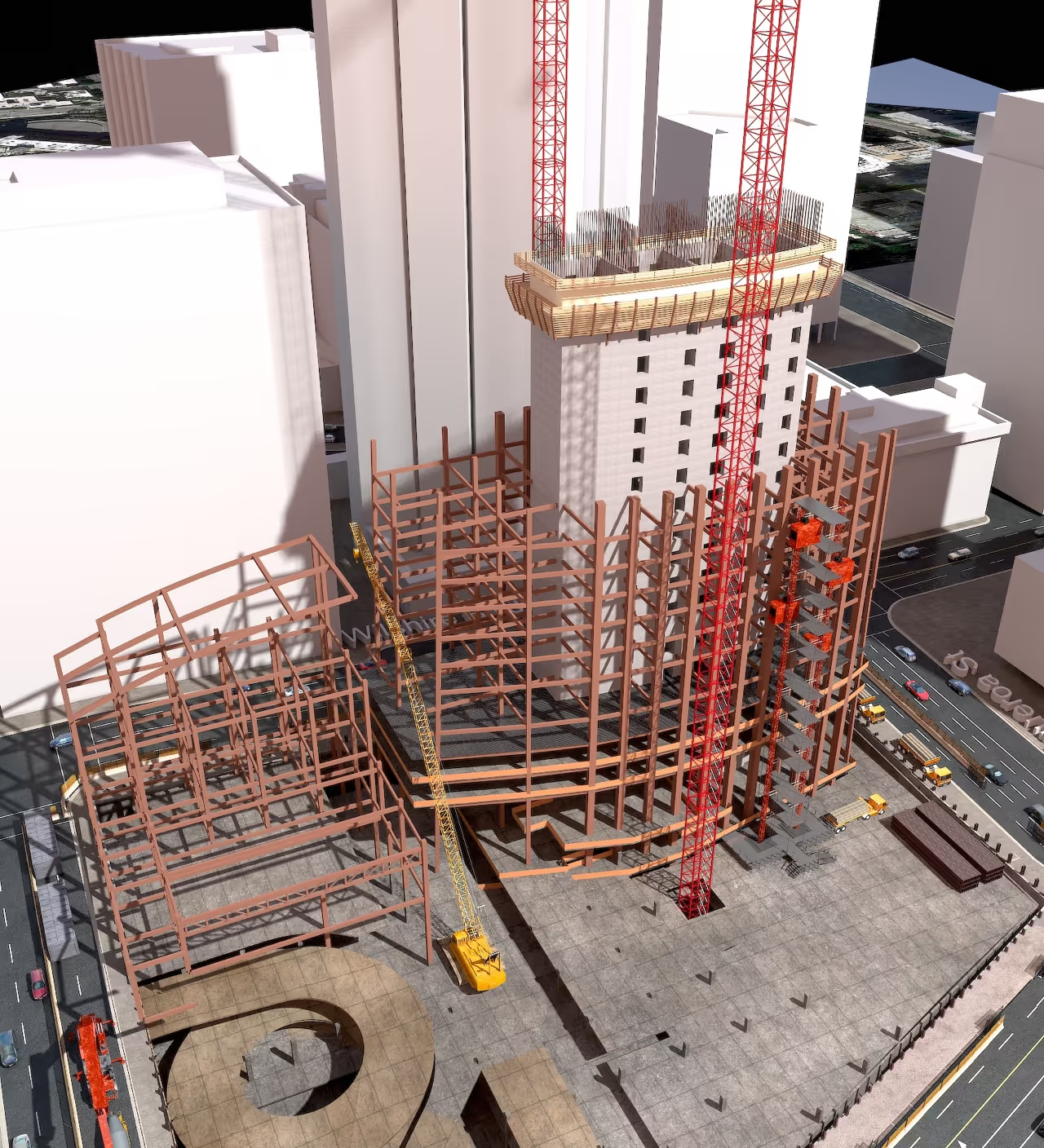 4D Animation Time-based construction and phasing animations illustrating sequencing, logistics, and development progress for complex projects and stakeholders. arrow_forward
 -
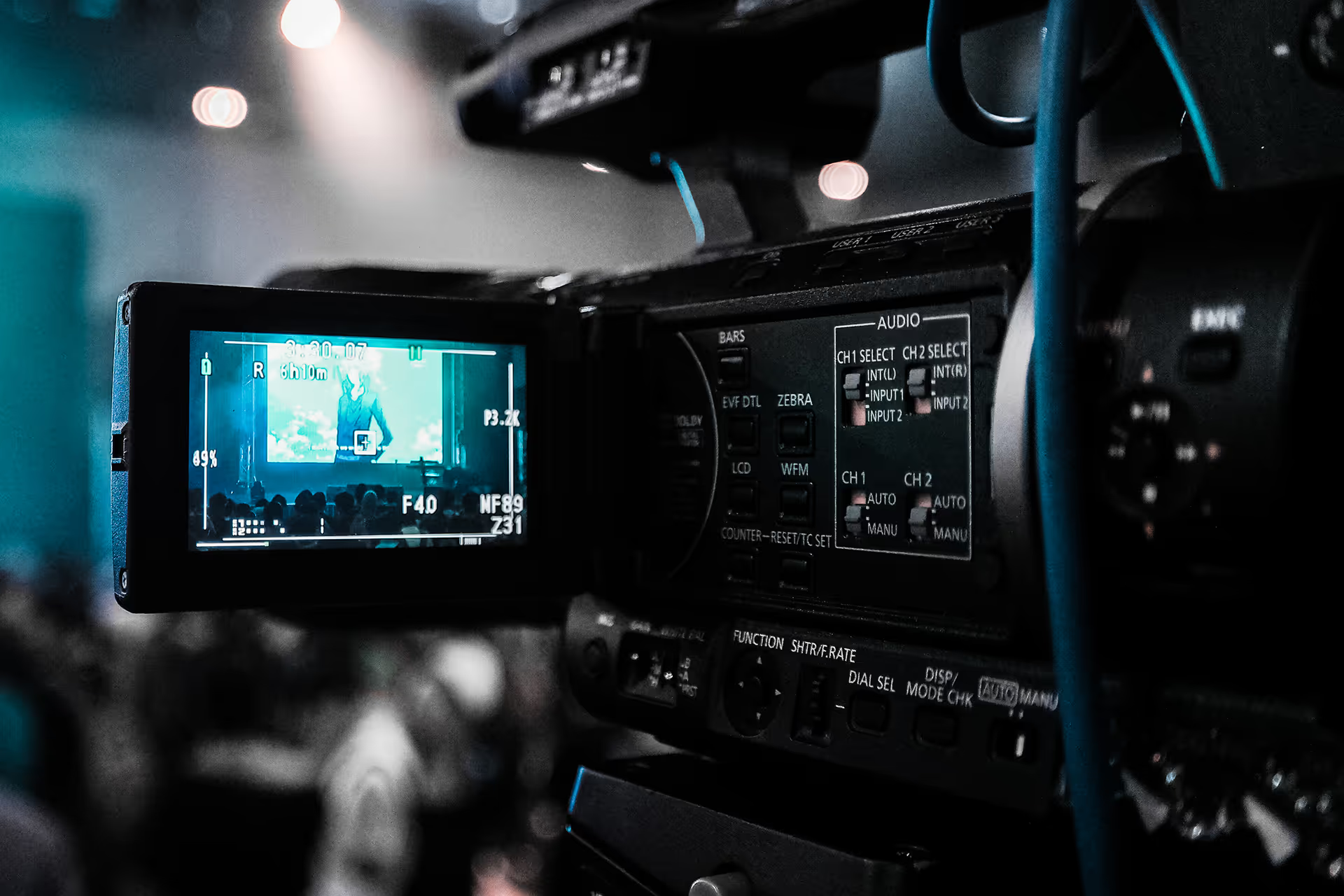 Film Cinematic storytelling combining interviews, aerial footage, and environmental narratives to communicate vision, identity, and project experience. arrow_forward
 -
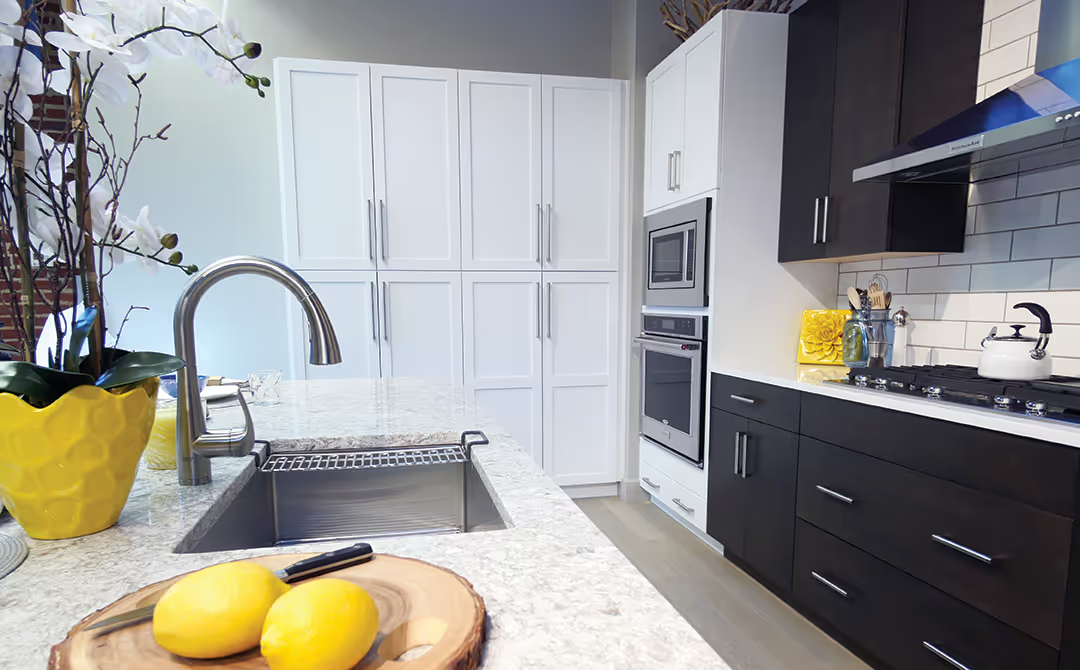 Photography Professional photography capturing architecture, environments, and human experience to support branding, marketing, and digital storytelling initiatives. arrow_forward
 -
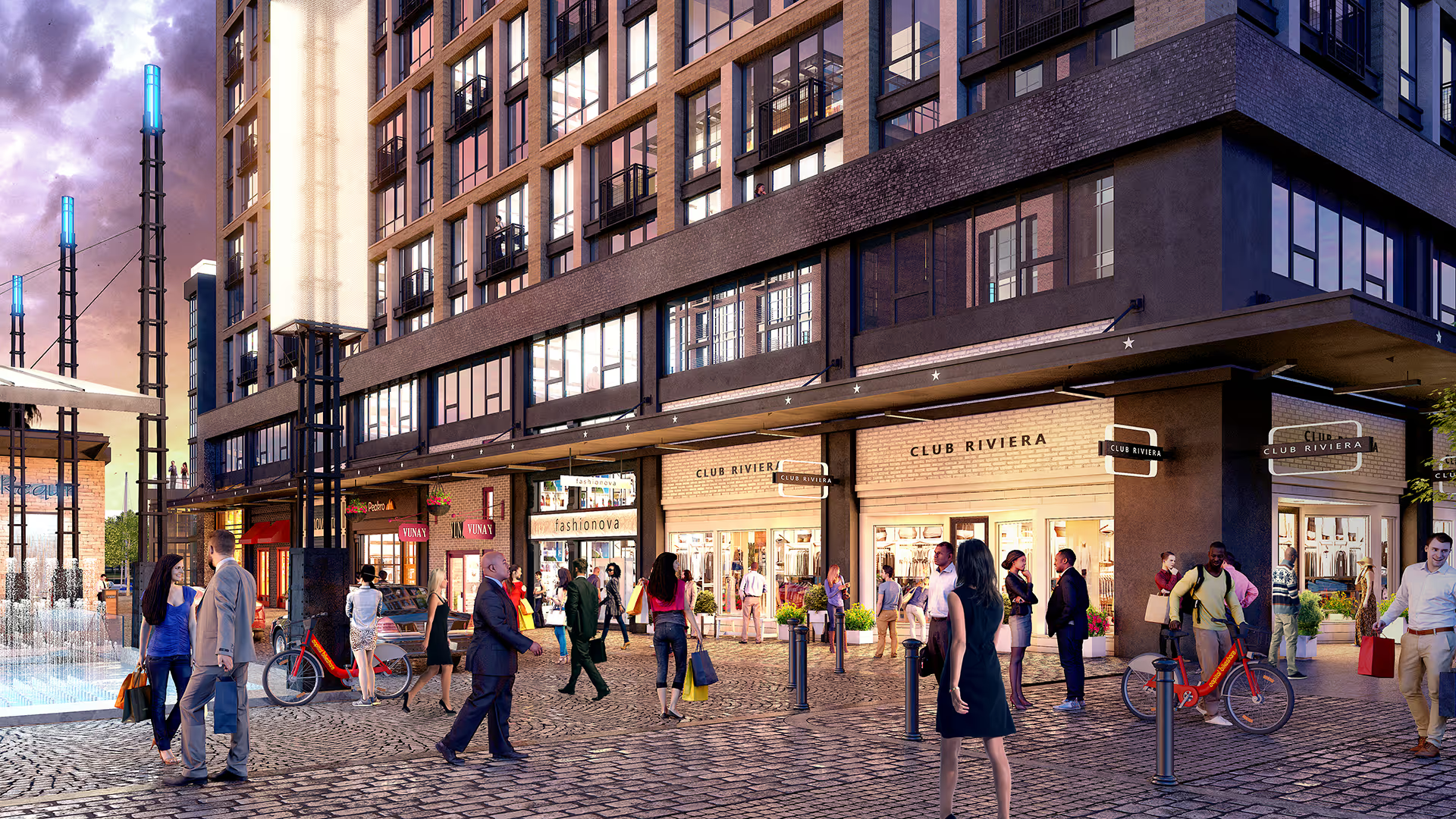 Real-Time VR Interactive virtual reality experiences enabling immersive exploration of architecture, environments, and branded spaces through real-time navigation. arrow_forward
Selected work
Tysons Interactive
Intelligence Community Campus Bethesda
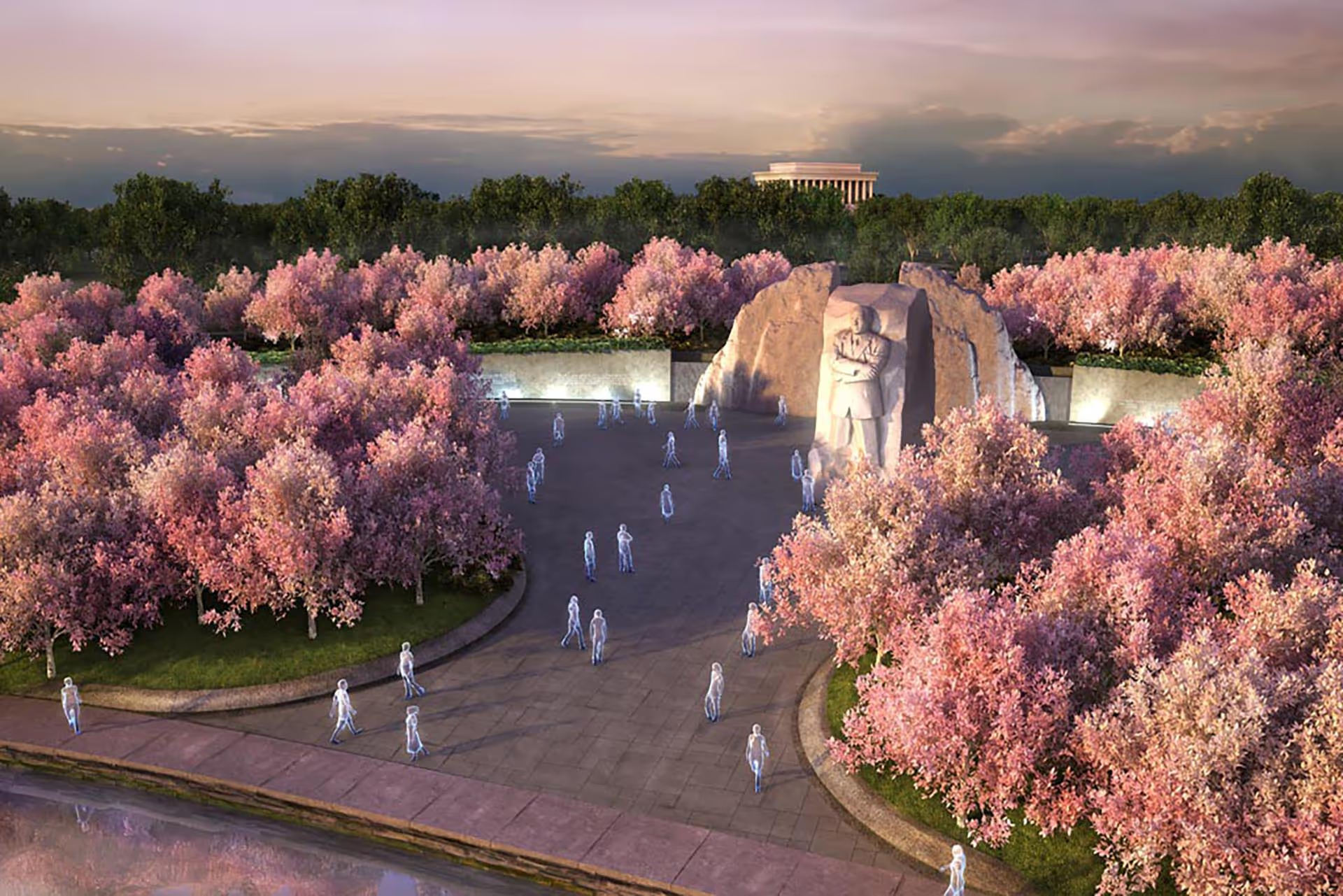
Modern Design on the PotomacMartin Luther King, Jr. Memorial
A Stone of Hope1201 Connecticut
Office To Residential ConversionAbout Visualization & Media
What types of architectural visualization does Interface Multimedia produce?
expand_more
What is 4D construction animation and when is it used?
expand_more
Do you produce film and video content in addition to renderings?
expand_more
Can visualization be used before a project is approved or funded?
expand_more
What is the difference between your VR and rendering services?
expand_more
Other practices
-
 01arrow_forward
Strategy & Brand
Positioning and identity systems that decide how a project competes, communicates, and is remembered.
-
 02arrow_forward
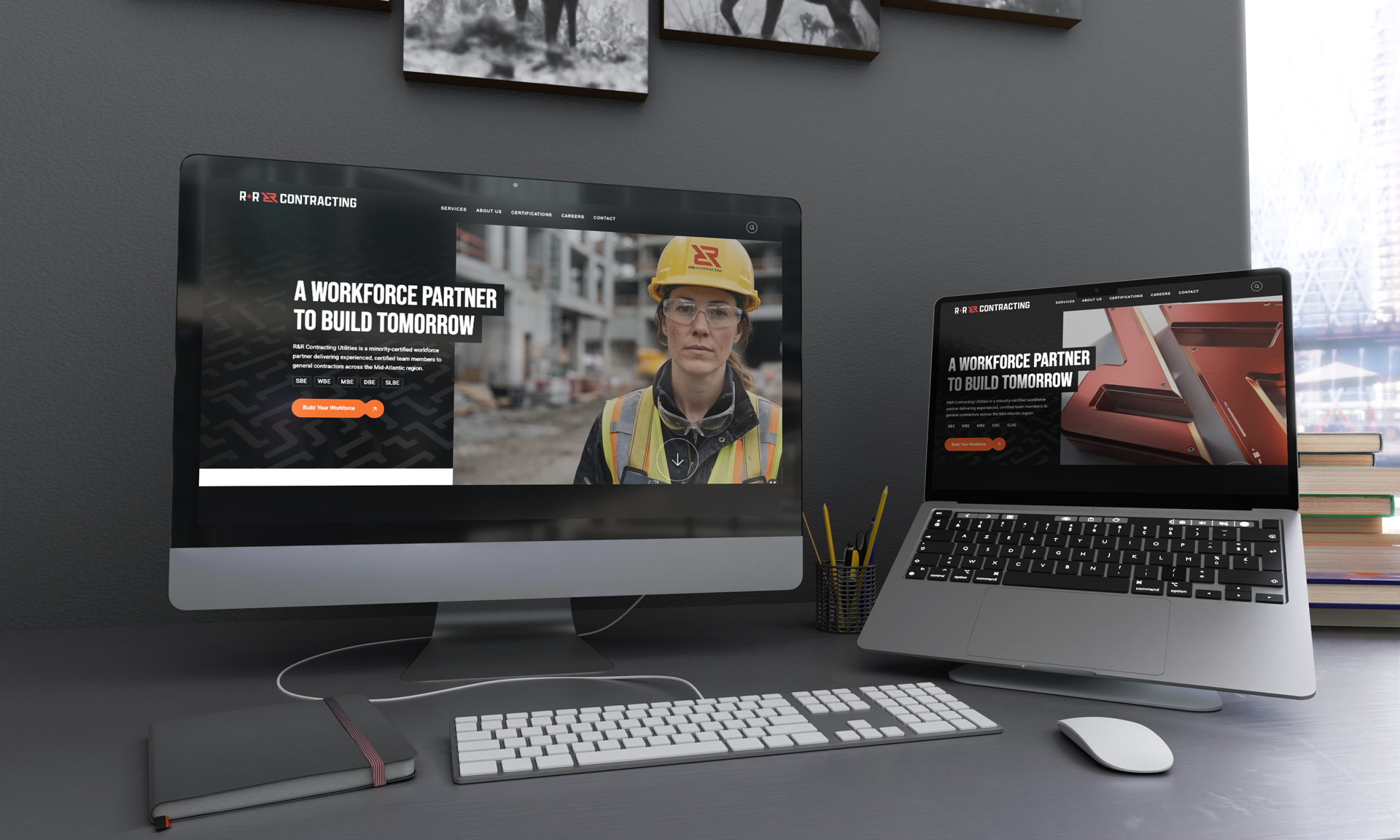
Web & Digital Platforms
Flexible, scalable websites built to operate as long-term marketing infrastructure for the projects we ship.
-
 04arrow_forward
Data & Growth
Ongoing optimization through analytics, search strategy, and AI-driven insights, plus the dashboards that keep the work measurable.
Explore services
- Architectural Rendering Servicesarrow_forward
- Architectural Animationarrow_forward
- Video Production Companies DCarrow_forward
- exterior 3d rendering servicesarrow_forward
- Architectural Visualization Servicesarrow_forward
- 3d Visualization Servicearrow_forward
- DC Film Production Companyarrow_forward
- floor plans for real estatearrow_forward
- 360 VR moviearrow_forward