How Virtual Reality Tours Provide a Better Commercial Leasing Strategy Experience
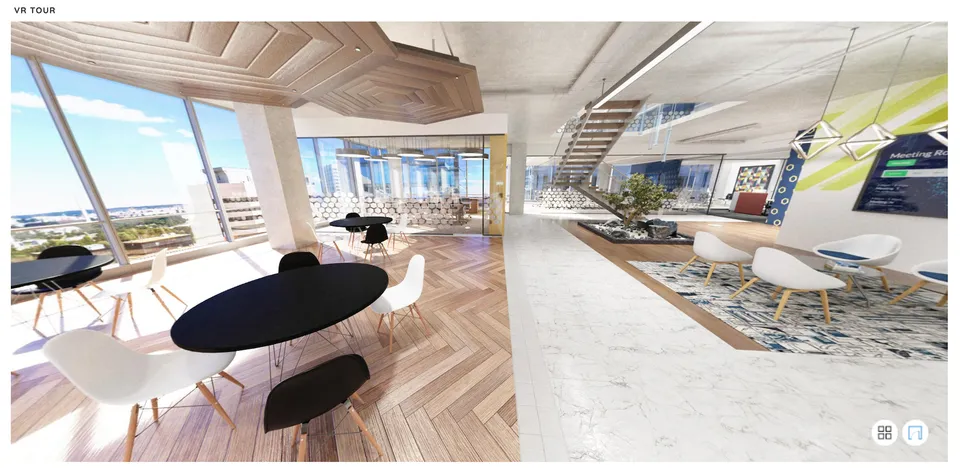
In the current market, commercial real estate developers are looking for innovative ways to stand out from the competition and attract potential tenants. Thanks to advances in technology, virtual reality experiences are becoming more accessible and are now being used to create immersive tours for potential tenants. With VR, developers can give potential tenants a genuinely interactive look at a space and build a more effective leasing strategy around it. At Interface, we are always looking for the best tools and strategies to help our clients succeed in their respective markets. From our own experience and the experience of our clients, VR tours have proven effective in driving pre-sales of luxury real estate.
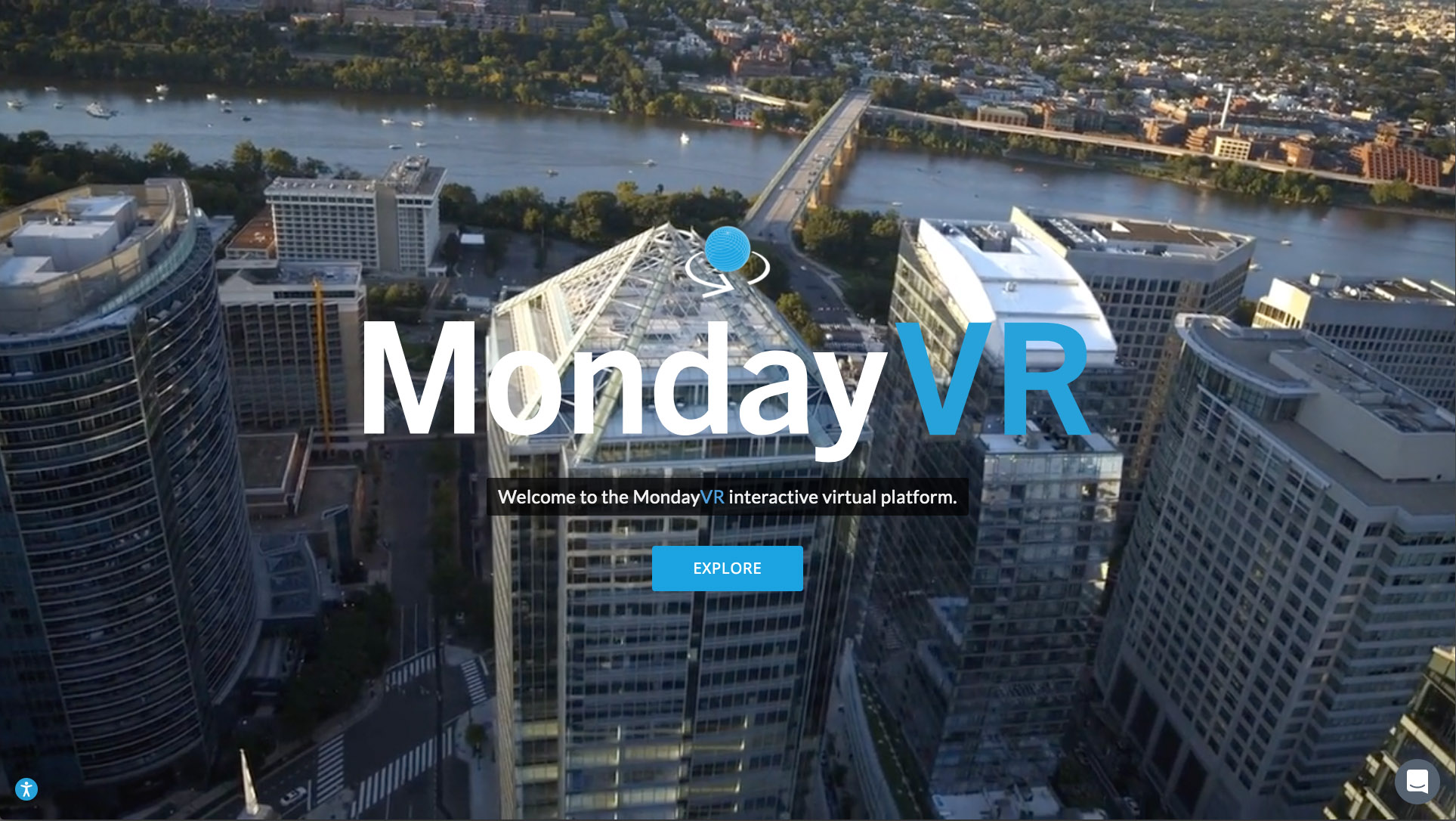
Interface Multimedia created a comprehensive leasing web site for Monday Properties that showcases VR tours of over 4 million square feet of office space. To Learn More
What Is Virtual Reality?
Virtual reality (VR) is a technology that uses computer-generated simulations to place the viewer inside a space. This technology is often used in gaming, but it can also be used in everyday applications. By using motion tracking technology, users can explore virtual environments and interact with simulated objects.
In real estate, that means tours. A VR tour lets a potential tenant explore a space in a way photos and videos never quite manage: at their own pace, in every direction, with a real sense of scale.
Benefits of VR Tours for Commercial Leasing
VR tours offer a variety of benefits for commercial leasing, as they provide a more engaging and interactive experience for potential tenants. Here are some of the key benefits:
- Improved property visualization: the viewer gets a real sense of scale, not a photographer's angle.
- Driving pre-sales for real estate properties: Providing VR tours has proven beneficial in driving pre-sales of real estate properties. VR provides an engaging experience for potential buyers and gives them information they need and want before committing to a property. It is also more time efficient for your company and the potential buyer.
- Engaging and informing potential buyers: VR tours allow consumers to experience a property before actually stepping foot in it. This increases consumer confidence and customer satisfaction. It is also very convenient for persons whom may not be able to visit a property before committing to it.
- Great marketing tool: VR is cool! You can stand out from your competitors by offering your clients an awesome, immersive experience that other companies may not offer.
From our experience and the experience of our clients, VR tours have proven to be valuable project-planning tools in addition to marketing tools. Sometimes our clients want a space visualized in VR to get an idea of the many possibilities of that space. This can be a useful tool for them during the design process. Other times, our clients want VR tools so that potential buyers can immerse themselves in the space virtually. One thing we do know about VR is that it is becoming more and more prevalent in commercial real estate.
Tips for Creating an Effective VR Tour
Creating an effective VR tour can be challenging, but there are a few simple tips that can help make the process easier. Here are some tips to keep in mind when creating a VR tour:
- Use high quality equipment: To create a high-quality VR tour, invest in a 360-degree camera, tripod, and other equipment that can capture the property in detail. Alternatively, find a professional company to help you create your VR tour.
- Plan the tour path: Plan the tour path in advance, keeping in mind the key features and selling points of the property. Start with the exterior and move through the property in a logical and engaging way, highlighting the most important rooms and features.
- Use annotations: Use annotations or pop-ups to provide additional information about the property, such as room dimensions, appliances, and other features. This can help potential buyers make informed decisions and reduce the need for in-person visits.
- Provide interactivity: Make the tour interactive by allowing users to navigate the property, zoom in and out, and interact with objects such as furniture or appliances. This helps potential buyers picture themselves actually living or working in the property.
- Add music and narration: background audio sets tone, and narration carries information a caption can't. Match both to the property and the audience.
- Optimize for different devices: Ensure that the VR tour is optimized for different devices, including smartphones, tablets, and VR headsets. This widens the audience and keeps the experience consistent across platforms.
The tenants who tour a space virtually arrive at the in-person visit already half-convinced, and the ones who were never going to lease filter themselves out early. That's the quiet economics of VR leasing. Reach out to our team at Interface if you are interested in exploring AR or VR tools for your commercial or residential leasing spaces.